Rivedere
A documentary portrait in the Alps that slowly became a meditation on art, solitude, and the thin boundary between observation and myth.
Some stories are first found in landscapes.
What can the camera discover that writing cannot?
A camera is not a pen. It cannot explain. It can only stay.
Writing moves forward, sentence after sentence, gathering meaning as it goes. A camera has no such momentum. It arrives at a place and waits. Sometimes for an hour before anything worth keeping happens. That waiting is its own discipline, closer to listening than to looking. I learned early that the footage I valued most was never the footage I had planned. It was what surfaced when I stopped trying to record and simply stayed present.
Duration does something writing cannot. A held shot of an empty room says more about absence than any sentence describing that absence. Silence on film is not empty space to be filled with narration. It is the subject. When I point a camera at a doorway and nothing happens for thirty seconds, the nothing is not failure. It is the room breathing.
Weather changes what a place means. The same temple courtyard under grey monsoon light says something entirely different than it does at noon. I have learned to wait for the sky to cooperate, not because the image needs to look a certain way, but because the light carries information the words around it cannot. A landscape is never neutral. It holds the temperature of the moment someone stood in it.
The camera, held long enough in one place, becomes a form of listening rather than looking. You start to notice things a passing glance would miss. The particular way incense smoke bends toward an open window. The rhythm of an old woman's hands folding paper offerings. These are not details I could have invented for the page. They had to be witnessed first, in real time, without cutting away.
Some places hold memory even after the people who lived that memory are gone. An abandoned ancestral hall, its beams still carved with a lineage no one living can fully recite, is not empty. It is dense with what happened there. Filming these spaces taught me that memory does not only live in people. It settles into wood, into thresholds worn smooth by generations of the same feet, into the particular slant of light through a window that has not been reglazed in eighty years.
Somewhere in the process, the camera stopped being a separate tool and became part of the research itself.
I photographed temples before I understood what I was photographing. Rivers at hours when no one else was awake to see them. Incense smoke crossing doorways, over and over, trying to understand why that particular gesture of rising and dispersing felt so close to the way memory itself behaves. Maps unfolded on wooden tables, their creases soft from handling. Ancestral halls. Buildings left standing after everyone who built them had gone.
The camera was not collecting evidence in the way a historian collects evidence. It was learning how memory inhabits space. That distinction matters. Evidence proves something happened. What I was after was quieter than proof. I wanted to understand how a place continues to hold what happened in it, long after the people are gone and the official record has moved on to somewhere else.
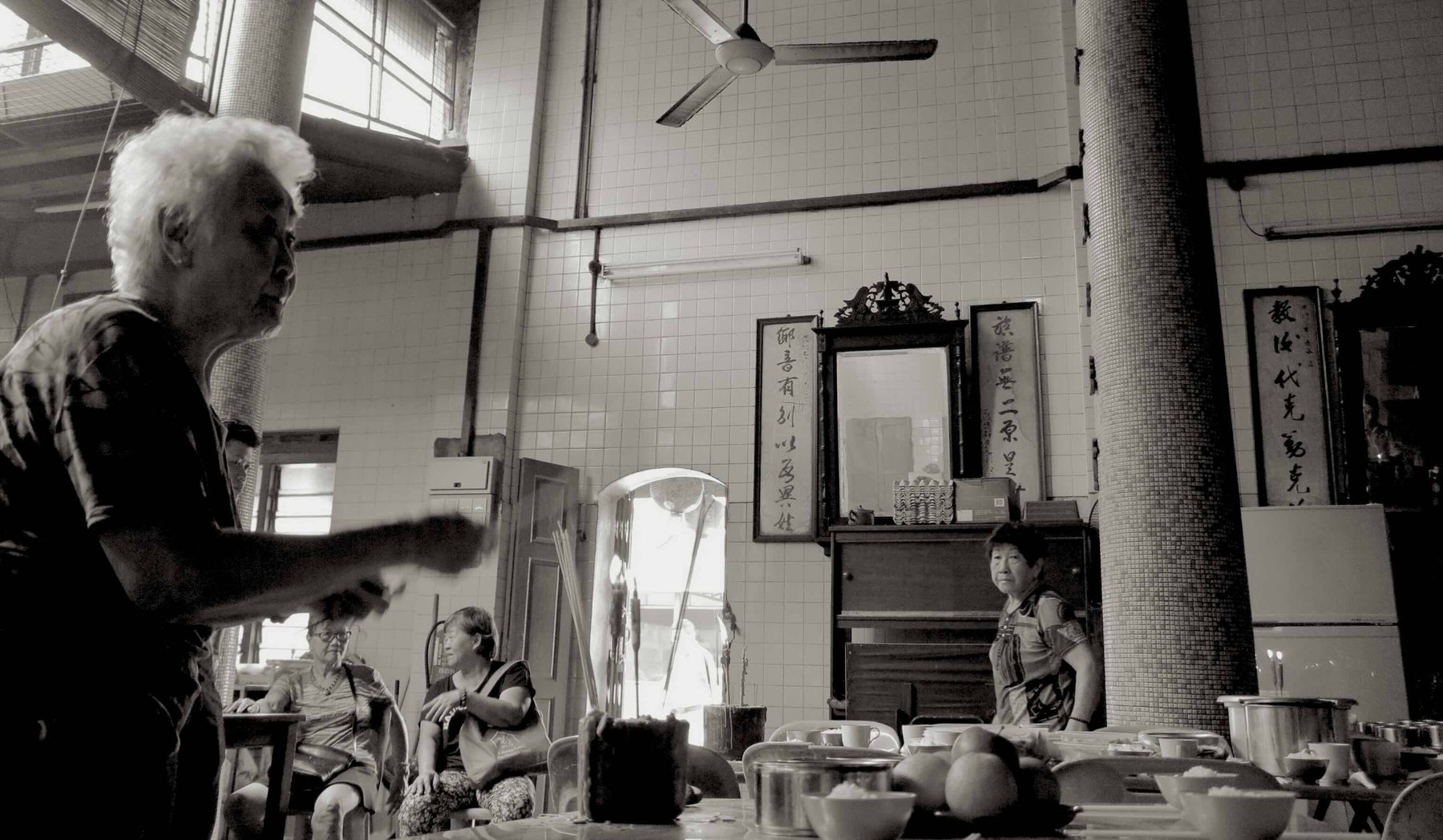
These films are not presented as completed statements. They are part of an ongoing practice of looking. Each began as a way of understanding a place, a person, or a memory that could not be reached through writing alone.
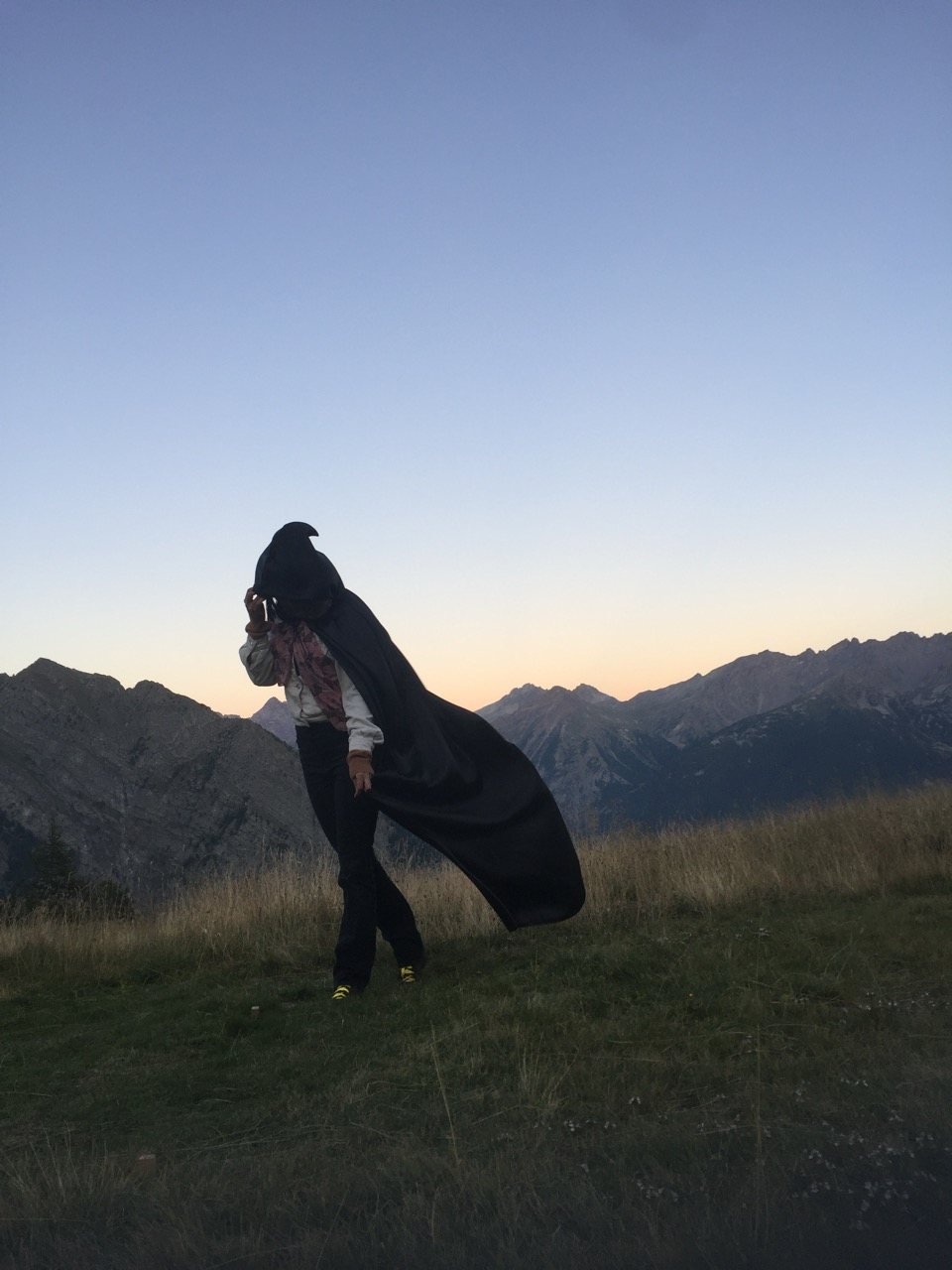
Field Study, Rivedere (working title)
Currently in post-production.
What began as a portrait of an Italian multidisciplinary artist living and working in the Alps gradually became something more elusive: a film about artistic solitude, memory, landscape, and the porous boundary between documentary and myth.
His practice moves between sculpture, painting, drawing, installation, and animation, but the film is less interested in cataloguing these disciplines than in observing the world from which they emerge. Carved animals, abandoned interiors, forests, mountain weather, and handmade objects become part of a landscape where making and remembering begin to overlap.
The camera spent long stretches simply observing — hands at work, weather changing outside the studio, silence settling between conversations. Gradually the film began to ask a different question: how does a place shape the imagination of the person who chooses to remain within it?
This project reflects my ongoing interest in slow cinema, visual art, and the way documentary can move toward poetry without abandoning reality.
Field notes from the Alps →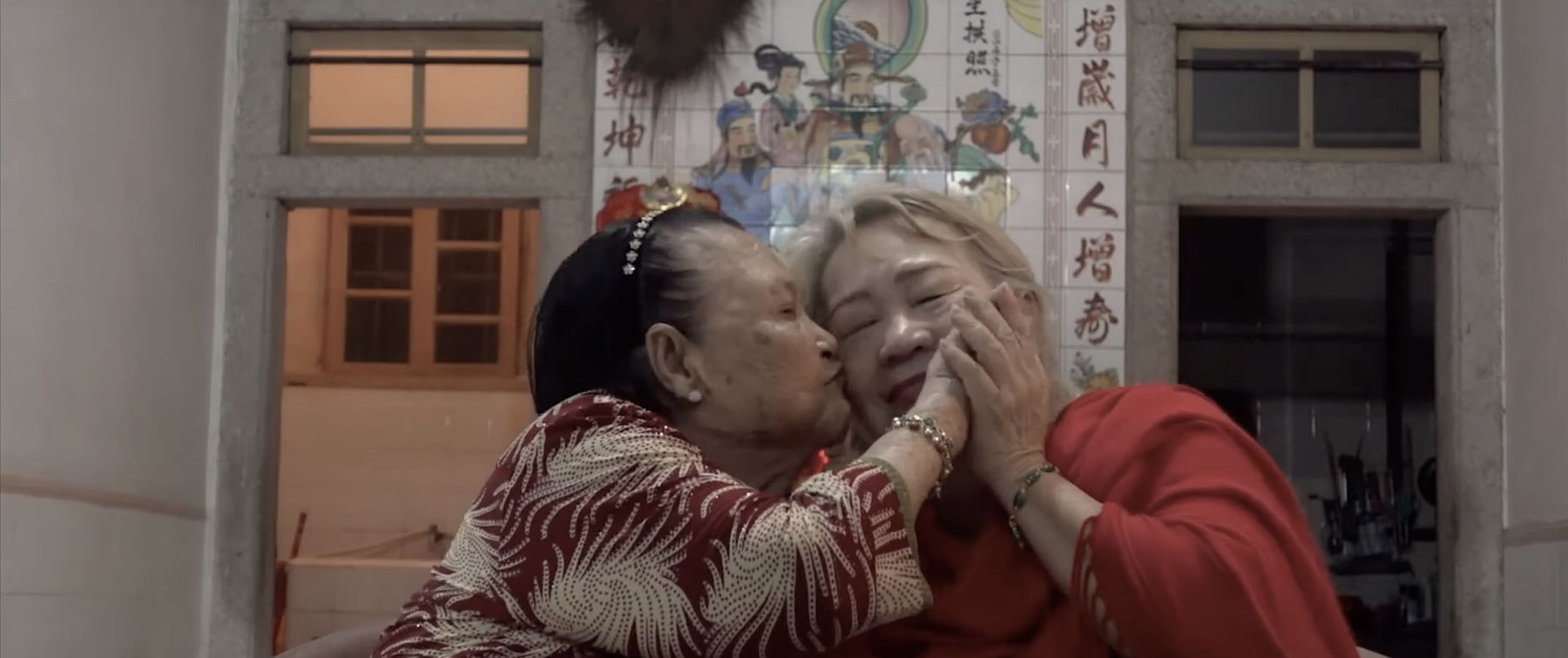
Field Study, The Pull of the Tide
Currently being re-edited, with a new voiceover and recent archival research being incorporated.
This documentary begins with two brothers. They grew up orphans in a coastal village called Hanjiang, where the sea had always carried people away. When my great-grandfather left Hanjiang, he crossed the sea carrying what he could remember. I arrived generations later carrying questions. I thought I had come to find my ancestors. Instead I found evidence that memory can survive oceans.
This project follows a return, not a straightforward homecoming, but a slower, more uncertain movement toward an inherited landscape whose full meaning had been lost somewhere between generations. It is concerned with ancestry, with the ritual gestures a family performs without always being able to explain why, and with the particular ache of standing in a place your blood came from while feeling, at first, like a stranger there. The themes running through this work, migration, memory, the labour of reconstructing what was never fully told, are the same themes at the centre of The Gamble of the Sea. This documentary is imagined as a companion piece, a work that precedes and prepares the ground for both the novel and the film.
The Gamble of the Sea is developing simultaneously as a novel and as a cinematic work.
The research that shaped the book, the fieldwork in Hanjiang and Batu Pahat, the archives, the maps, the conversations with relatives and historians, generated a visual language at the same time it generated a narrative one. Certain images arrived before certain sentences. Certain sentences only made sense once I had stood in the place they described and pointed a camera at it.
The film is not an adaptation of the novel. Adaptation implies a finished thing translated into a second medium after the fact. This is not that. Both the book and the film are growing from the same search, at the same time, out of the same uncertainty about how much of a lost world can actually be recovered. They will likely never say exactly the same thing. That is not a flaw in the process. It is what happens when the same question is asked in two different languages.
Notes toward a film.
A river before sunrise.
Incense smoke crossing a doorway.
A map unfolding on a wooden table.
Wind through abandoned fishing nets.
A face illuminated by temple light.
The sound of waves before the image appears.
The film begins where the archive falls silent.
All photographs and film stills © Jacelyn Parry.
Process Notes
Selected field notes from documentary projects and films in development.
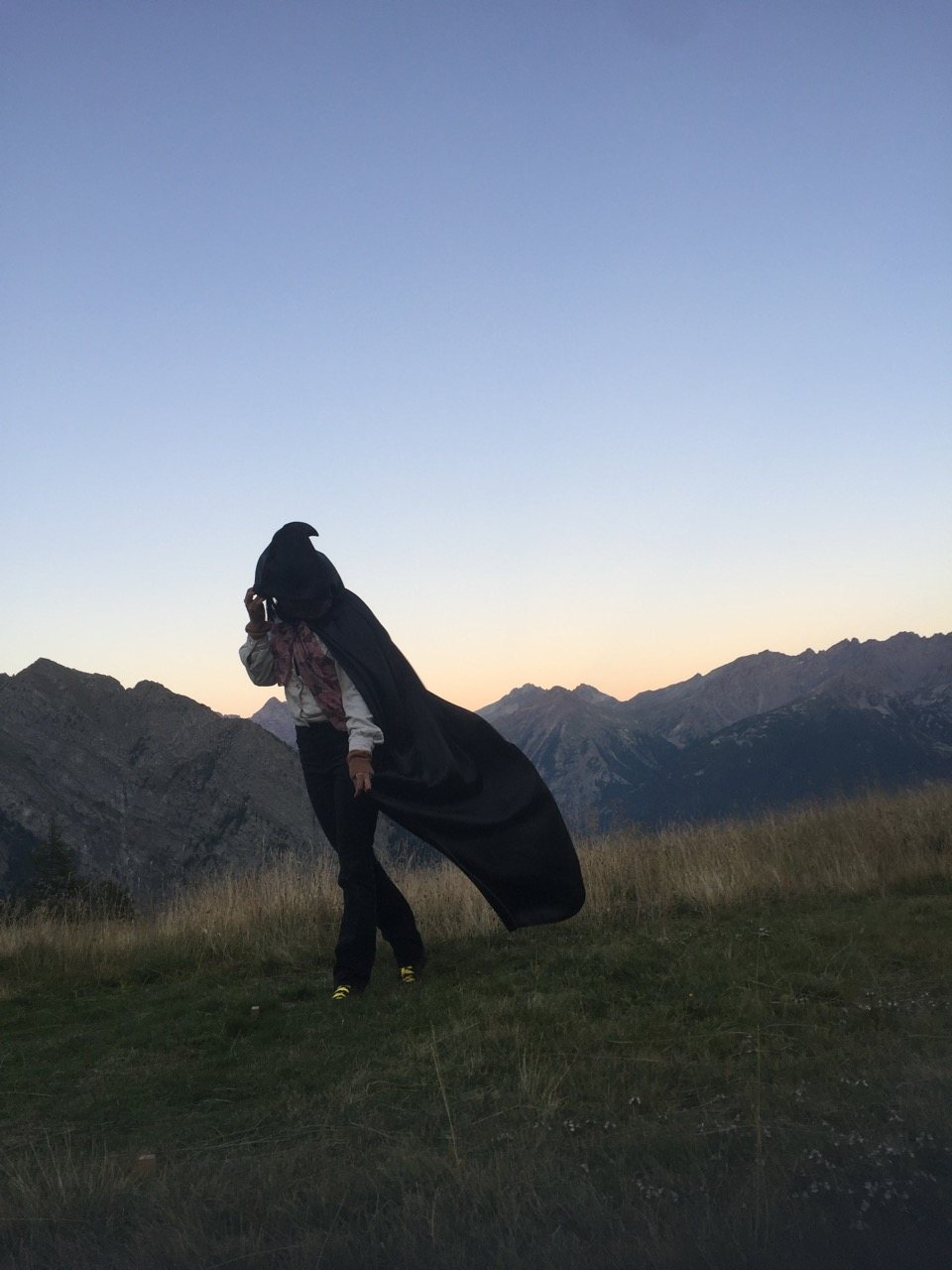
A documentary portrait in the Alps that slowly became a meditation on art, solitude, and the thin boundary between observation and myth.
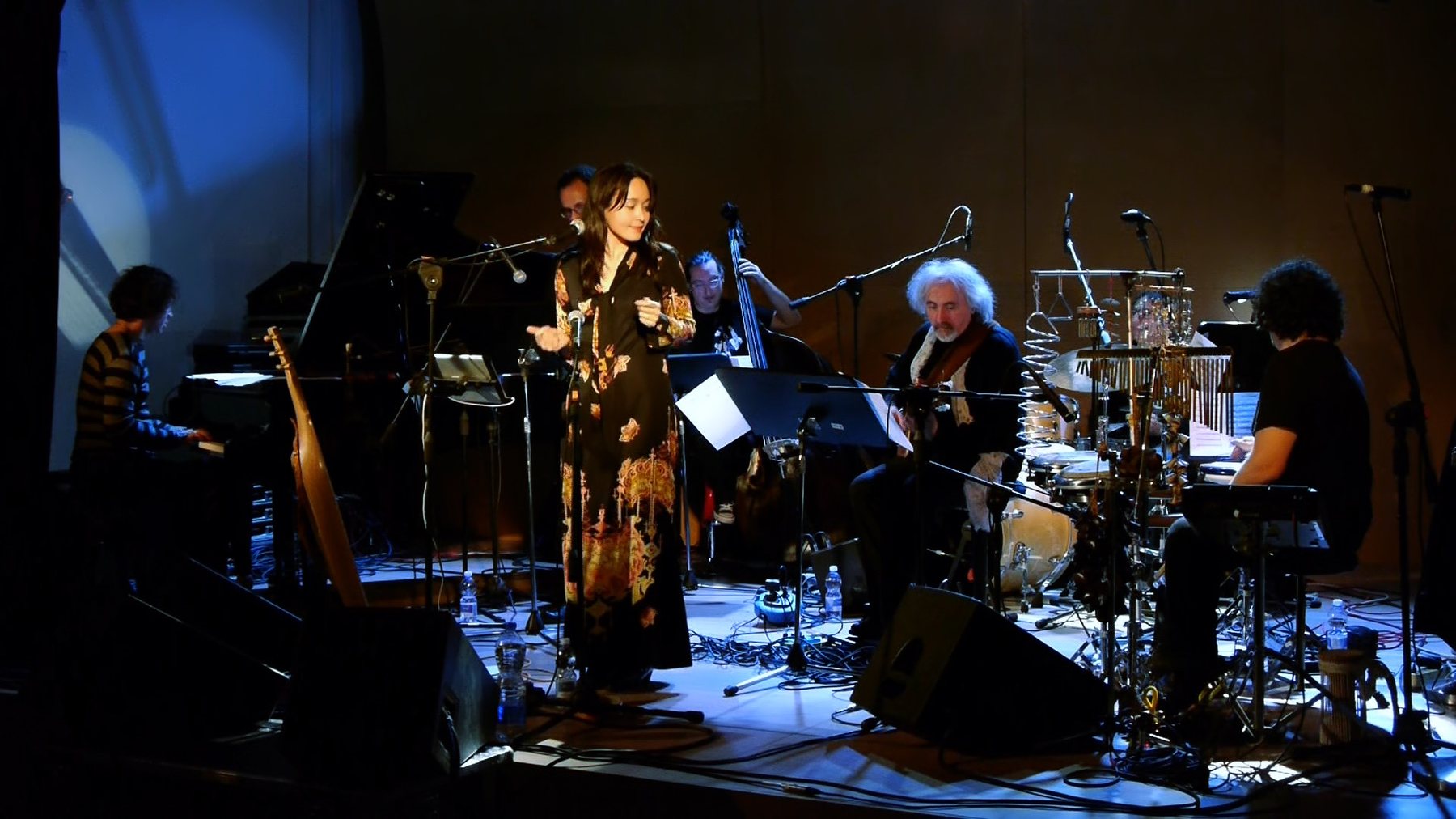
Performing original compositions at a festival in Civitavecchia, years before the band found its name.