The map that renamed a river
Pedro Reinel, Rio Formoso, and the strange feeling of finding Batu Pahat on a sixteenth-century Portuguese chart.
How did this story become possible?
The Gamble of the Sea A Novel by Jacelyn Parry · 林登丽
This story did not begin with a manuscript.
It began with a question. A family name. A harbour. A handful of photographs. The feeling that something important had been forgotten.
For a long time I did not know I was researching. I was simply trying to understand why the stories I had been told felt incomplete. Why certain silences in my family felt so full.
Only later did I understand that this is how most searches begin. Not with a plan. With an absence.
Memory alone could not explain migration. I needed to find the world that was left behind.
The search began with one man. Lin De Heng. An orphan from a small harbour town on the edge of Quanzhou Bay. He left Fujian in the early twentieth century and never returned.
I knew almost nothing about where he came from. Not the streets. Not the temples. Not the sound of the dialect spoken there. Not what the water looked like at the mouth of the bay at the hour he left.
I began trying to find Hanjiang. A place that no longer exists under that name. A coastal community that had contracted and changed and been absorbed into the municipality of Shishi. A world that had largely been forgotten even by the people living on top of it.
The search for one man gradually became a search for an entire vanished landscape.
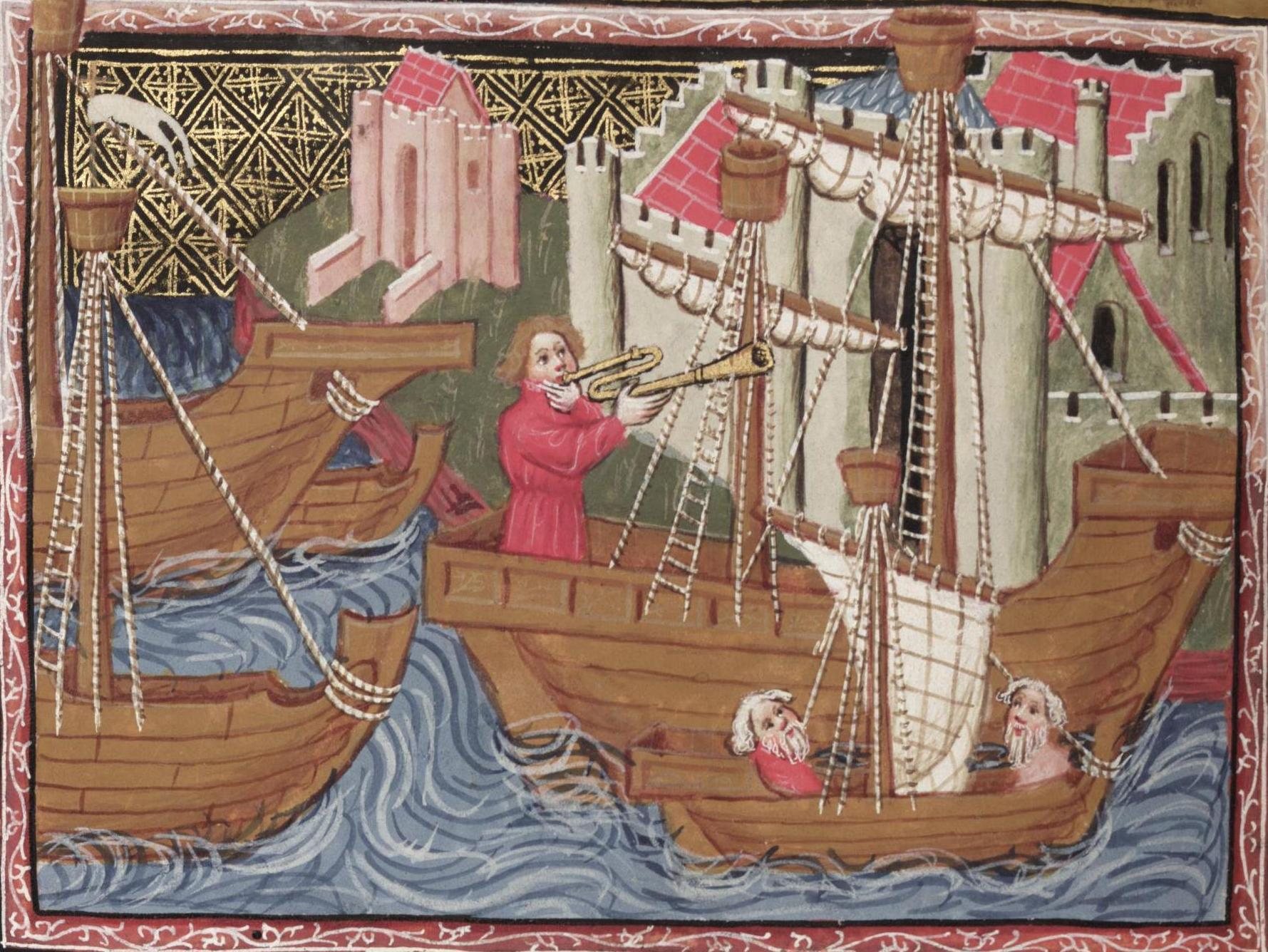
The bay remembers what the records do not.
Some places survive first in memory, then in maps, and only later in archives.
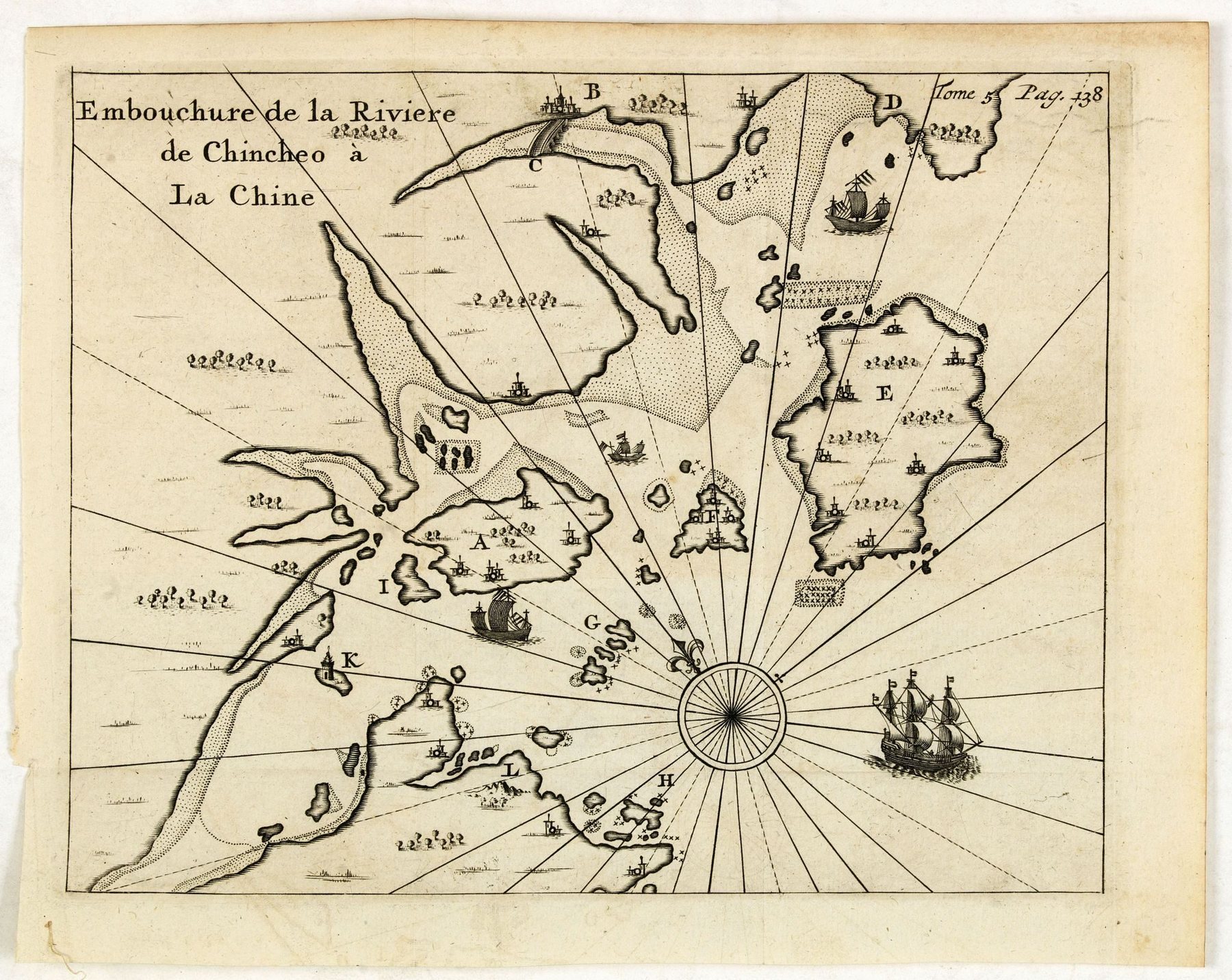
Hanjiang, Fujian
The first time I walked into the old lanes of the former Hanjiang district, I was looking for a street name that appeared in a gazetteer compiled in 1993. I found the lane. The name had survived. Almost nothing else had.
The buildings from his era were mostly gone. What remained were thresholds, well casings, a temple with an inscription too worn to read cleanly. The landscape had been overwritten. But it had not been erased.
Shihu, Quanzhou Bay
I stood on the promontory at Shihu where the Liusheng Pagoda has marked the mouth of the bay since the Song dynasty. Every ship leaving Quanzhou sailed past it. Every emigrant saw it last.
I had read about this pagoda in the gazetteer before I saw it. When I saw it, I understood for the first time that I was not researching an abstraction. I was standing in the same geography.
Batu Pahat, Johor
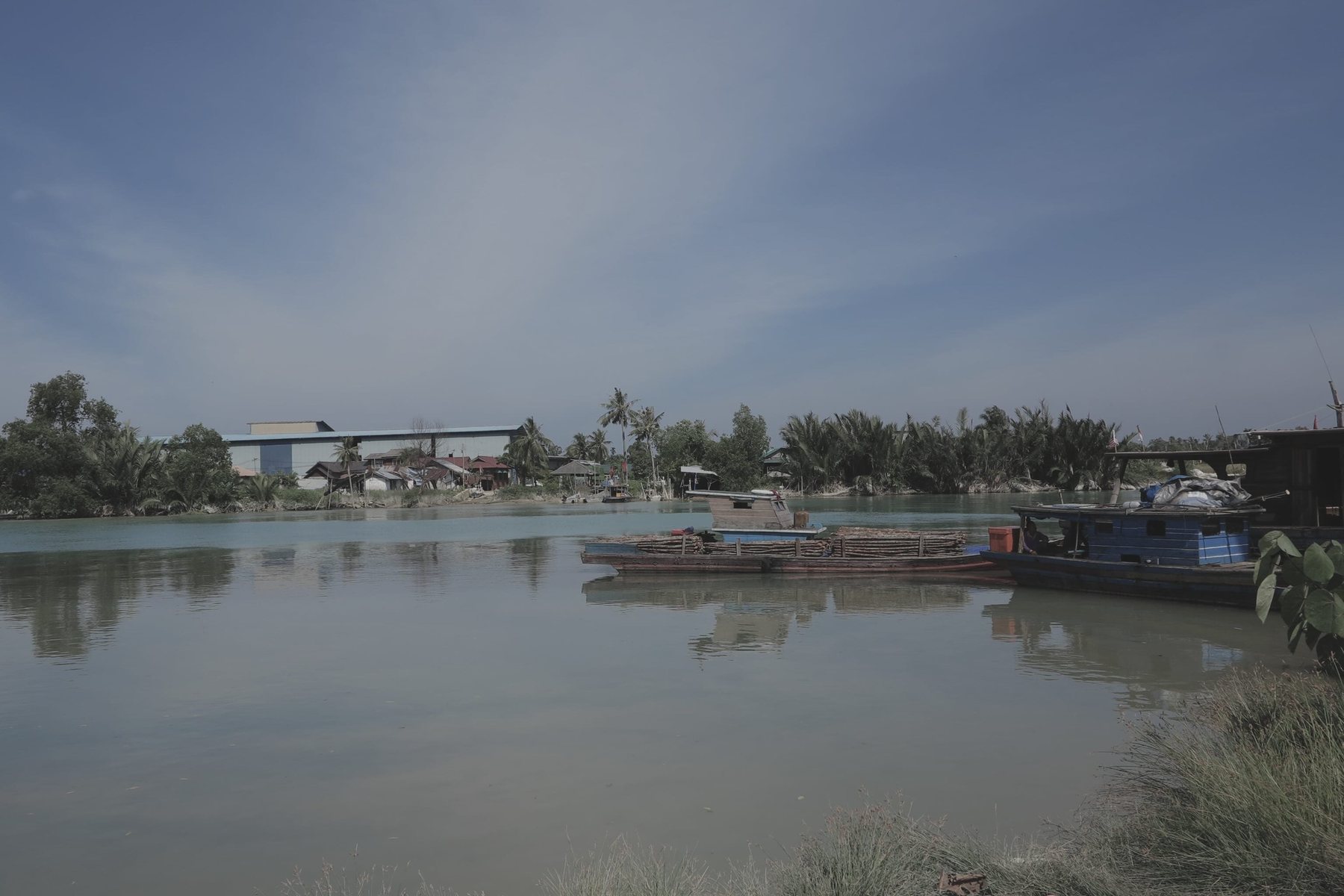
On the other side of the South China Sea, I traced the river town where De Heng arrived and eventually settled. The old wharf district has changed almost beyond recognition. But the river is still there. Wide, unhurried, the colour of strong tea.
I visited the temple where his family still worships. I sat with relatives I had never met and looked at photographs of people whose faces I recognised from my own.
Travelling to ancestral villages.
Walking forgotten streets.
Standing on a shore and understanding, for the first time, what departure looks like from the departing side.
Meeting relatives. Visiting temples. Following local directions that did not appear on any map.
The work was not constructed according to a method. It grew through a practice of listening.
Each source revealed only part of the story. Oral history preserved feeling but sometimes misremembered fact. Clan genealogies recorded names but rarely reasons. The British colonial census counted people but did not record what they had left behind. Local gazetteers described landscapes but not the interior lives of the people who moved through them.
Architecture held clues the documents had lost. Recipes carried memories that could not be written. Language preserved inflections that standard Mandarin had erased. The landscape held everything that had outlasted the people who shaped it.
The novel was not written from any single source. It was written from the space between them.
Memory preserved feeling.
Archives preserved fact.
The novel was written in the space between them.
The landscape holdswhat the archive forgot.
There were moments when the research became something else.
When I first read the Hanjiang Zhilue , a local gazetteer compiled by people who had stayed behind while others left , I recognised surnames that appear in my own family records. I recognised place names from conversations I had as a child and never thought to question.
I realised I was not holding a historical document. I was holding a record of the world my great-grandfather had actually lived in. The Eight Scenic Wonders of Hanjiang were not abstractions. They were the view from a childhood he had never described to anyone who survived long enough to tell me.
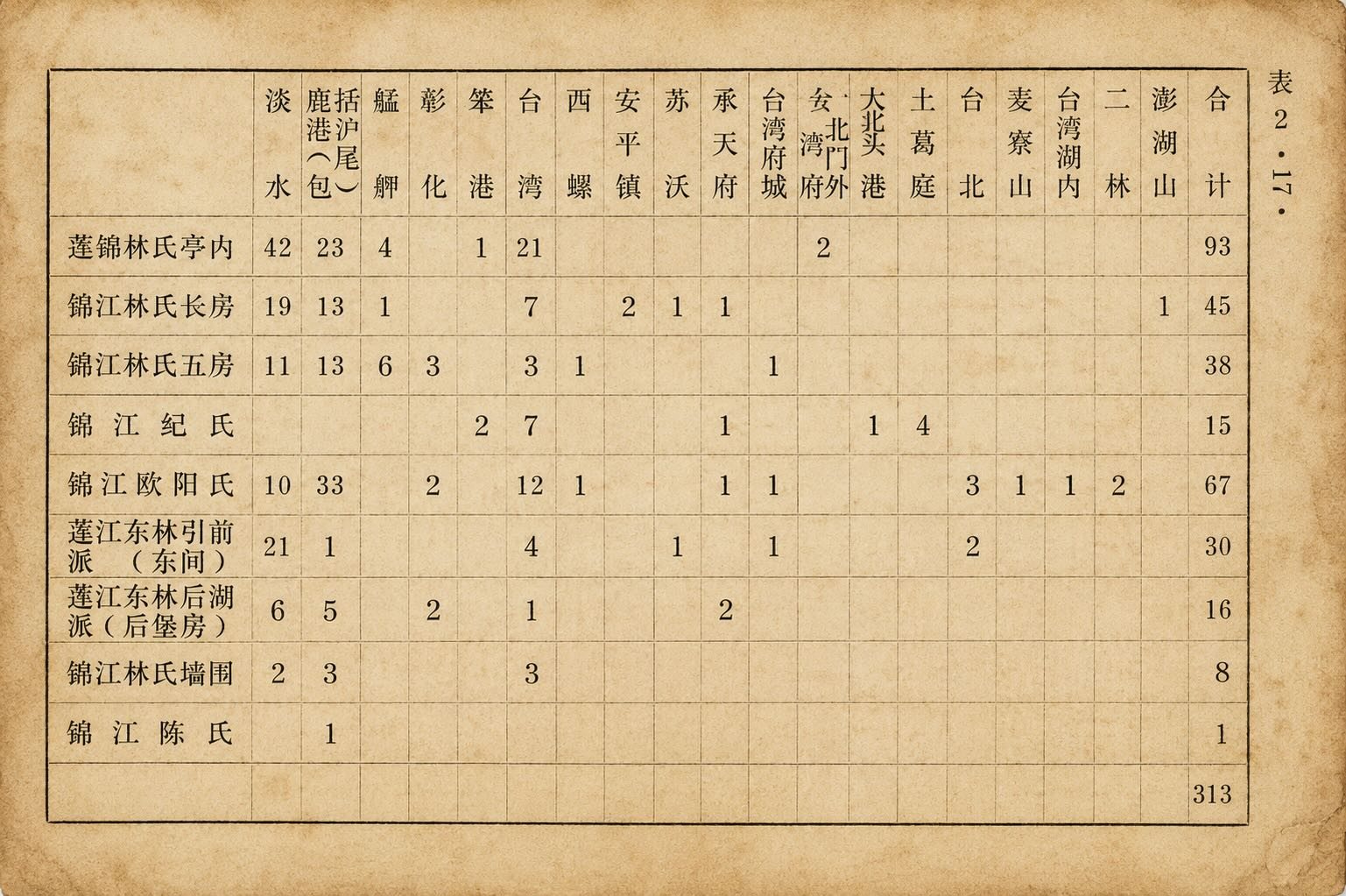
Later I found migration tables in the same compilation. Columns of numbers. Departures by decade. The Lin-Ji clan feud of 1773–1790 listed as a named push factor. Suddenly I understood that his departure was not an isolated act of individual courage. It was part of a pattern. A tide. Thousands of people leaving the same bay over the same generations for the same reasons.
History was made of individual departures. Each one had a name. His was one of them.
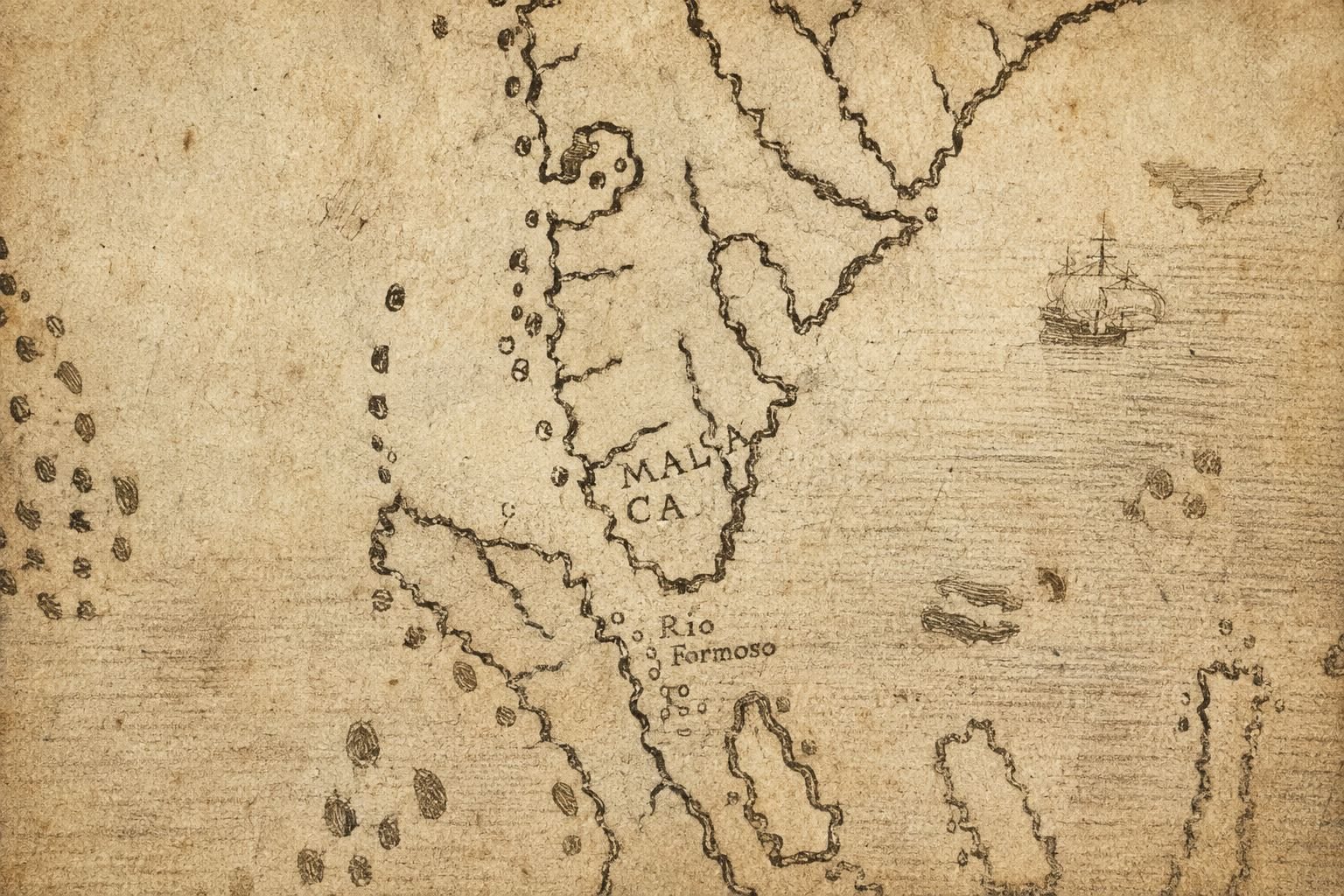
Anonymous Portuguese chart ("Pedro Reinel" map), 1517. The identification of
Rio Formoso with the later Batu Pahat River follows Luís Filipe F. R.
Thomaz, "The Image of the Archipelago in Portuguese Cartography of the
16th and Early 17th Centuries," Archipel 49 (1995): 79–124.
R. A. C. de Renneville, Embouchure de la rivière de Chincheo à la Chine
(Amsterdam: F. Bernard, 1725). Historical map of the entrance to Quanzhou
(Chinchew) Bay.
La cite de Caitan (the city of Zayton / Quanzhou), from a
fifteenth-century manuscript of Marco Polo's Li livres du Graunt Caam
(The Travels of Marco Polo). Historical illustration of Quanzhou during
the Yuan period.
Hanjiang Xiang Tuzhi Ziliao Huibian [Hanjiang Local Materials Compilation]
(《蚶江乡土资料汇编》), vol. 5. Migration records of Hanjiang Lin clan
branches, table reproduced for research and identification.
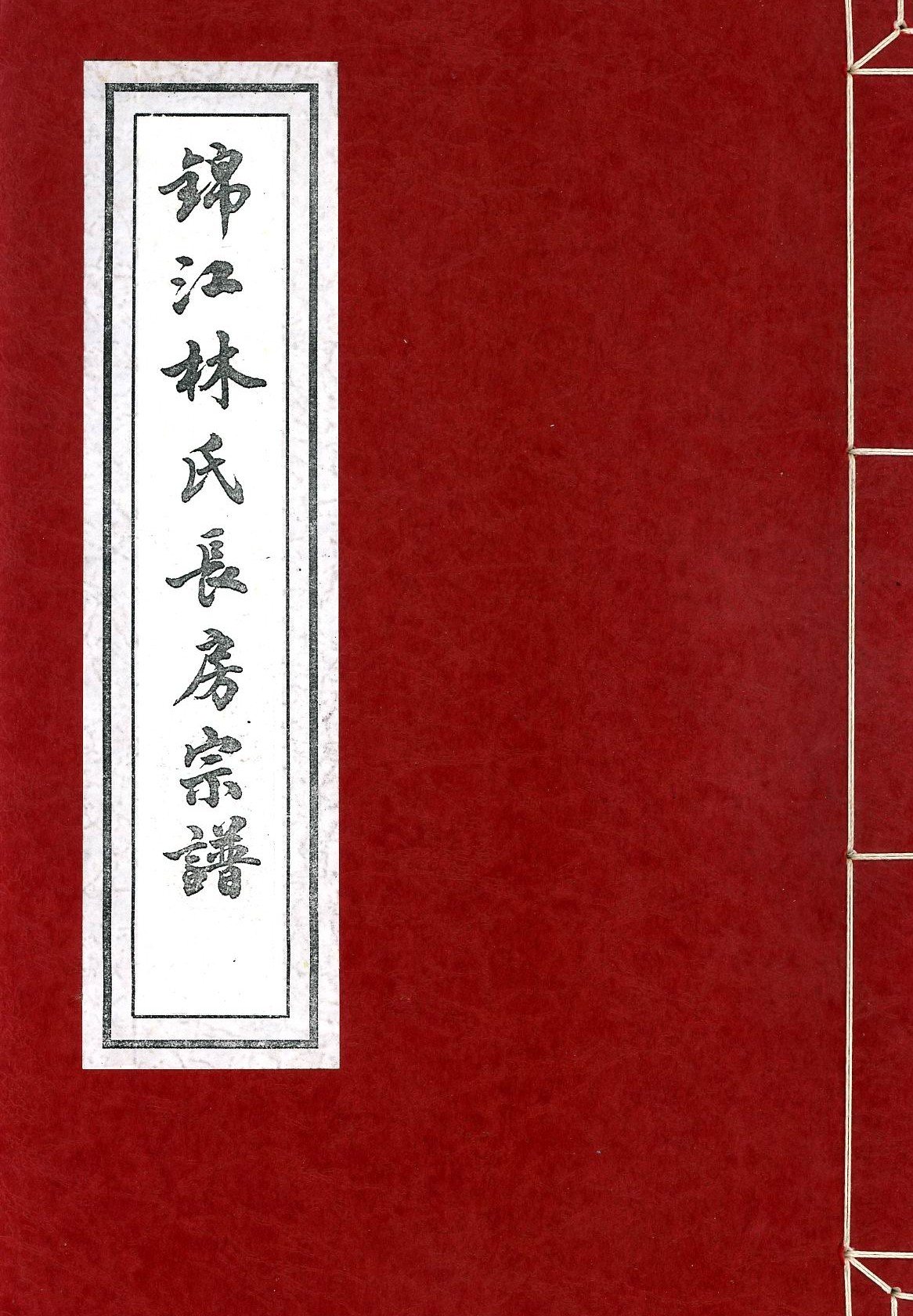
《锦江林氏长房宗谱》 [Jinjiang Lin Clan Genealogy], Jinjiang Village, Hanjiang,
Shishi, Fujian. Cover reproduced for research and identification.
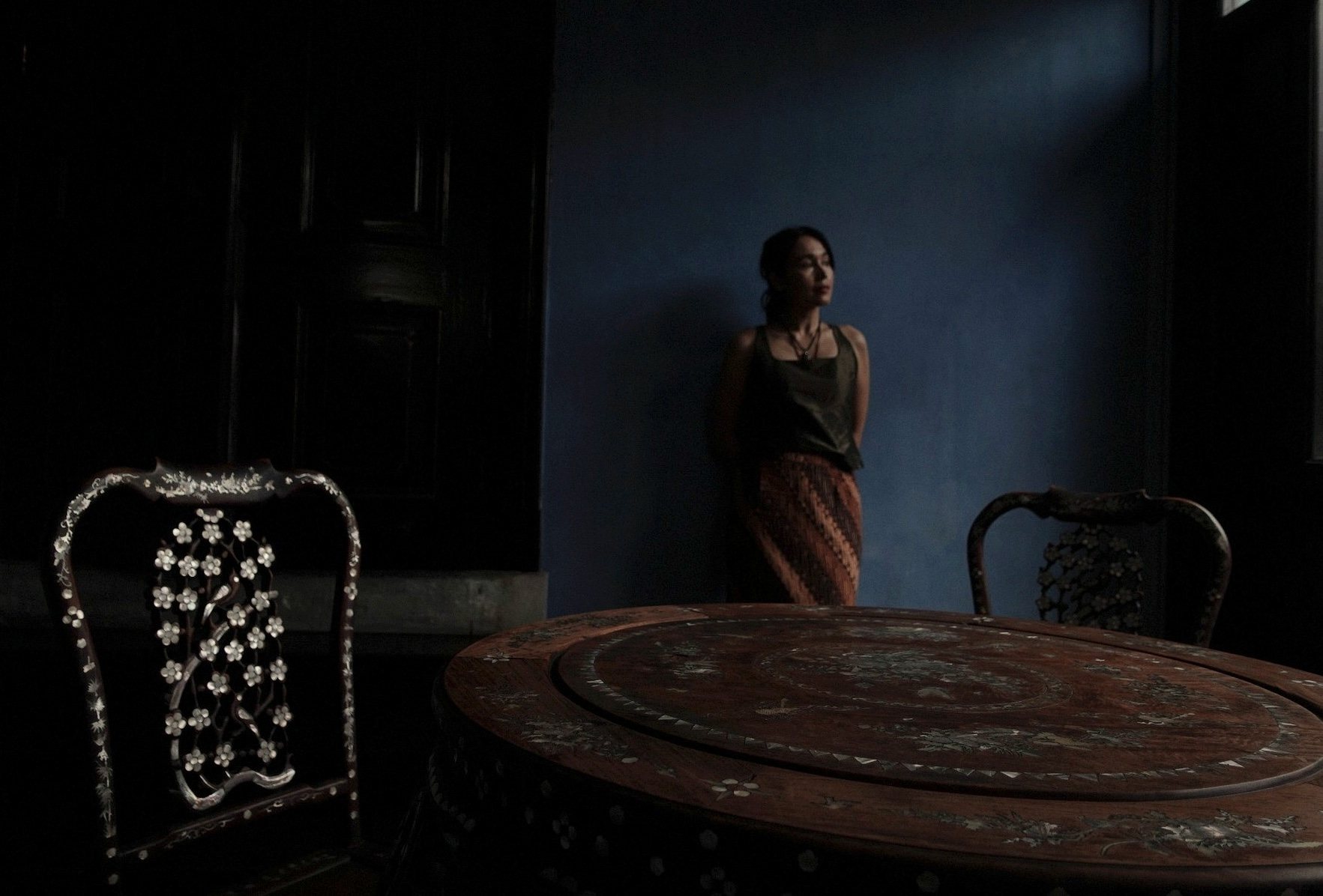
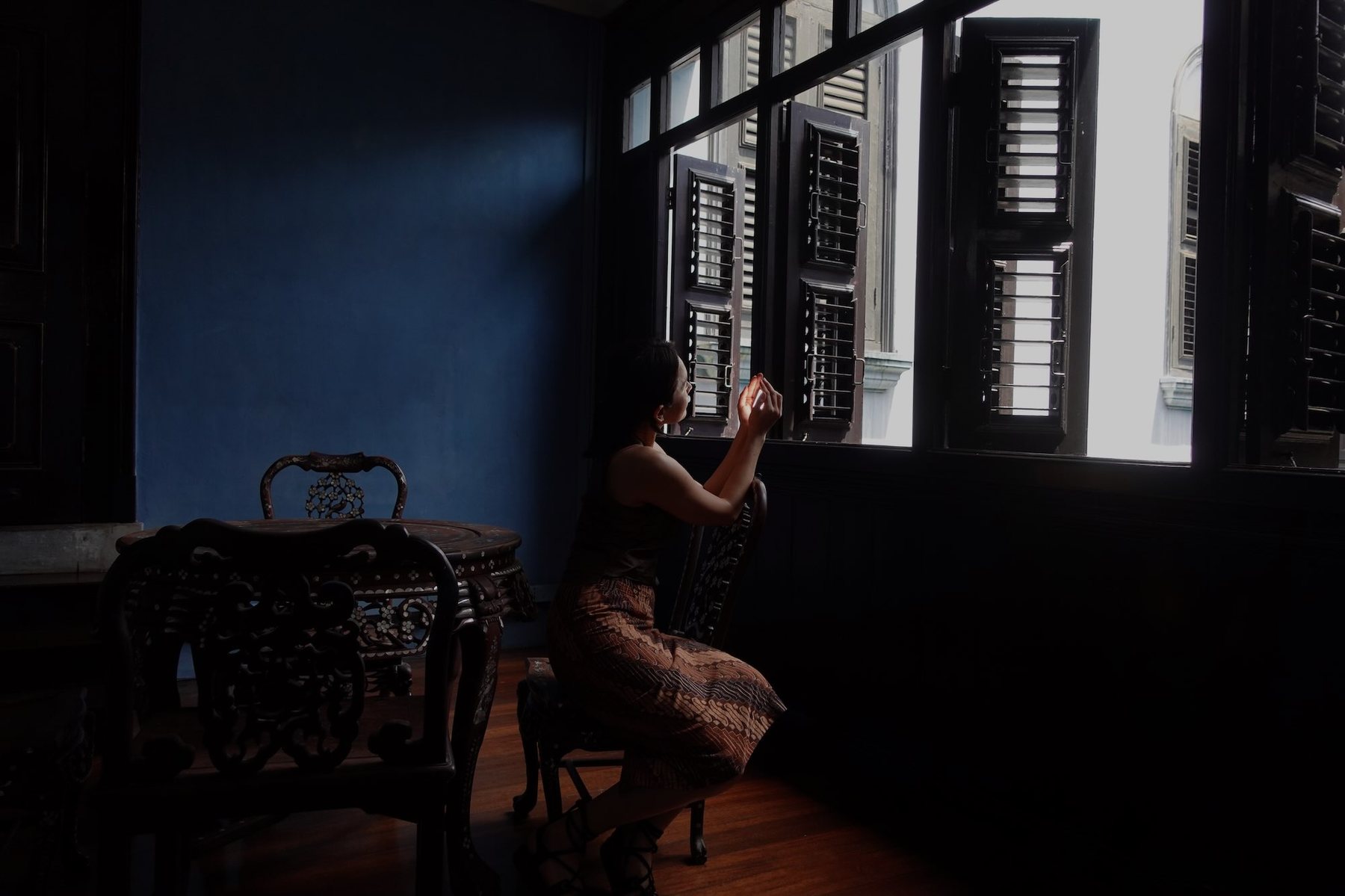
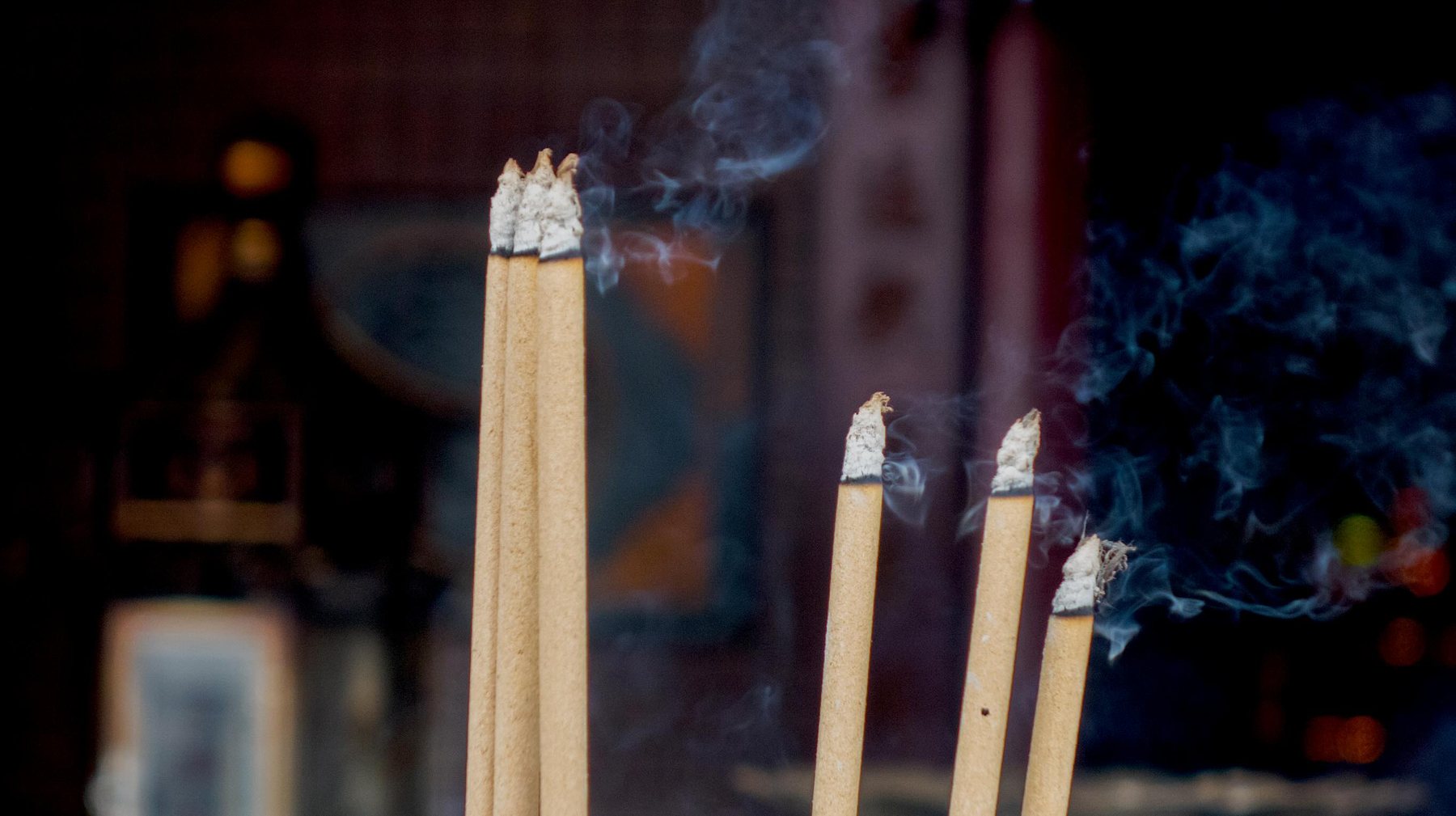
All contemporary photographs, incense burning in the Lim temple, Batu Pahat;
self-portrait in the Blue Mansion, Penang; and the Batu Pahat river,
© Jacelyn Parry.
In the course of the research, I began corresponding with the Quanzhou Maritime Museum.
The museum holds one of the most significant collections of material culture related to the maritime Silk Road and the history of Hokkien emigration. The historians there recognised the project immediately. They understood what I was looking for before I had finished explaining it.
They sent gazetteer PDFs. They pointed toward the CNKI and Duxiu databases. They addressed me as 林老师 , Teacher Lin , which I found both unexpected and quietly moving.
What I encountered in that correspondence was generosity. Local knowledge has a texture that secondary sources cannot replicate. The people who spend their lives studying a particular coastline, a particular pattern of migration, know things that do not appear in any document. The dialogue that opened has become part of the foundation of the novel.
The purpose of research was not to eliminate mystery. It was to discover where the mystery remained.
Some records are missing. Some names disappear without explanation at a certain decade. Some journeys cannot be reconstructed. The ship manifest I needed does not exist, or has not survived, or is held in an archive I have not yet found.
For a long time this felt like failure. Eventually I understood that it was the shape of the thing itself. The gaps are not problems to be solved. They are the evidence of how much was lost. That loss is part of what the novel is about.
The unanswered questions are not the end of the research. They are its truest finding.
The archives gave me documents.
The landscape gave me scale.
The sea gave me silence.
The novel was written between the three.
The search itself became the story.
Archive Notes
Small discoveries that gradually changed the direction of the research.
Pedro Reinel, Rio Formoso, and the strange feeling of finding Batu Pahat on a sixteenth-century Portuguese chart.
An indigo courtyard, a bonsai tree, and the lesson that old heritage mansions teach you how to look before they tell you who lived there.
Photographs from the ancestral hall and a reflection on why ritual is often understood only after leaving home.