I heard it again recently, after years of not playing it, and my first thought was that it still belonged to something. Not to the short film I wrote it for, which I can barely remember now, the story gone and only the image of a particular light remaining. The music had outlasted its original purpose and was waiting, with no particular urgency, for the next one.
I may use it in Rivedere. Listening to it now, I think I understand for the first time what it was trying to say.
The piece was built from repeating patterns, small harmonic movements, restrained instrumentation. It was not trying to overwhelm the image it was written for. It was trying to create a space in which the image could breathe.
Writing music for film is a different kind of composition from writing a song. A song asks to be heard. Film music often asks to be felt without being noticed. The two intentions require different disciplines: one is presence, the other is reticence. With Syurga Selvaggio I was practicing reticence, though I would not have used that word at the time. I only knew that I wanted the music to hold still, to let the scene move through it rather than the other way around.
I can hear Michael Nyman, Wim Mertens, and Steve Reich in the architecture of the piece now. At the time I was not trying to sound like them. I was trying to understand why repetition could feel like memory. Their influence was not imitation but permission. They taught me that simplicity could carry narrative weight, that a piece could move forward without constantly changing direction, and that restraint was not a failure of ambition but a different kind of ambition altogether.
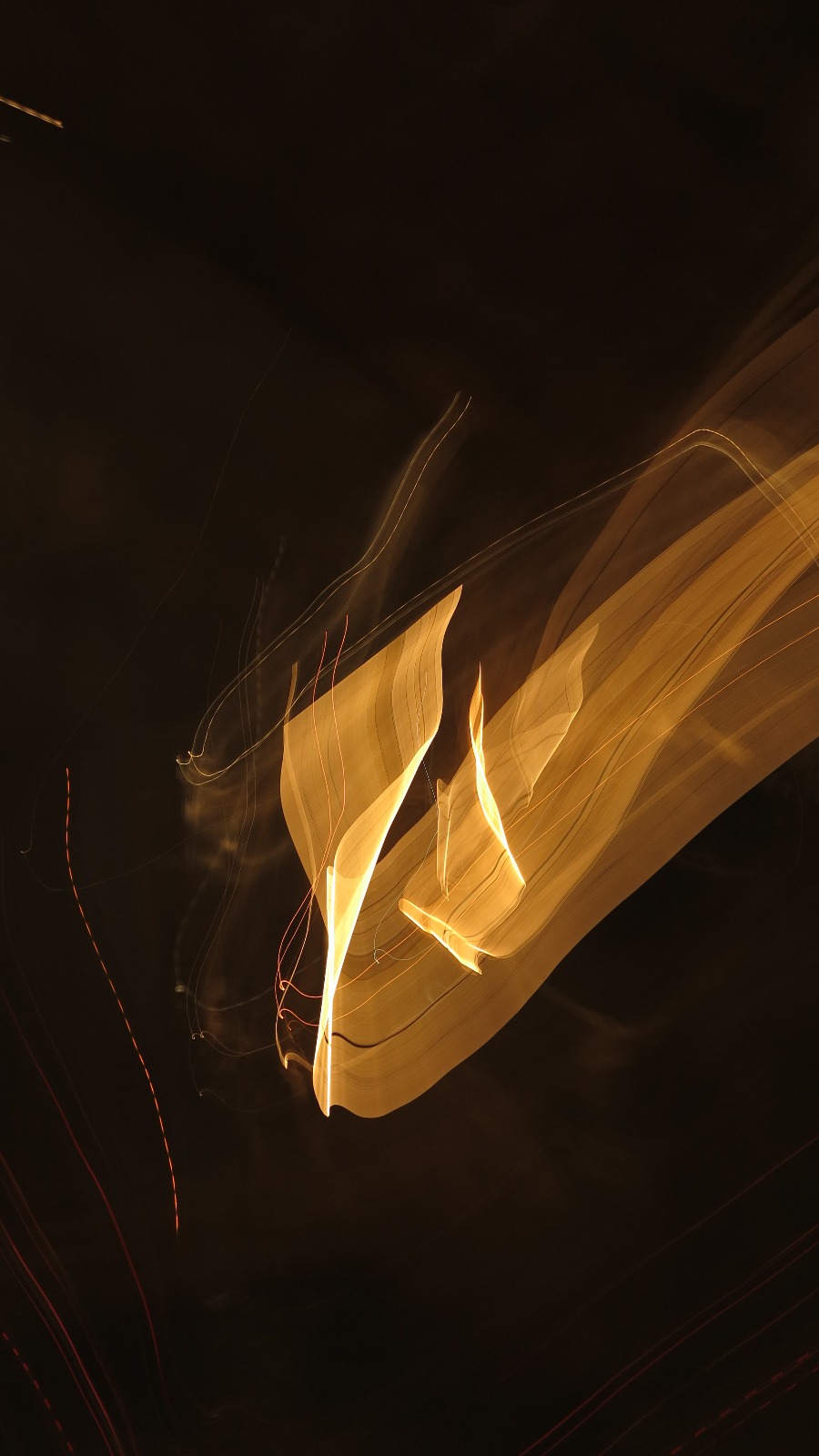
Around the same period I was making long-exposure photographs in Rome, trying to capture movement without describing it. Looking back, I think the photographs and the music were asking the same question.
The title arrived before I understood it. Syurga means paradise in Malay. Selvaggio means wild in Italian. I had been living between those languages for years, and the piece seemed to know that before I did. It was a paradise that was not peaceful, not idyllic, but untamed, windswept, and slightly out of reach.
A title that could only have emerged from a life lived across languages. It sits between memory and landscape, Southeast Asia and Europe, stillness and movement. I did not choose it analytically. It arrived the way the right word sometimes does, when language reaches across something you have not yet named.
The film I wrote it for has almost entirely disappeared from my memory. I remember a quality of light more than I remember the story. But the music has stayed with me in a way the images did not, which tells me something about where the real composition happened. Not in the service of a plot, but in the act of listening to what the piece itself needed to become.
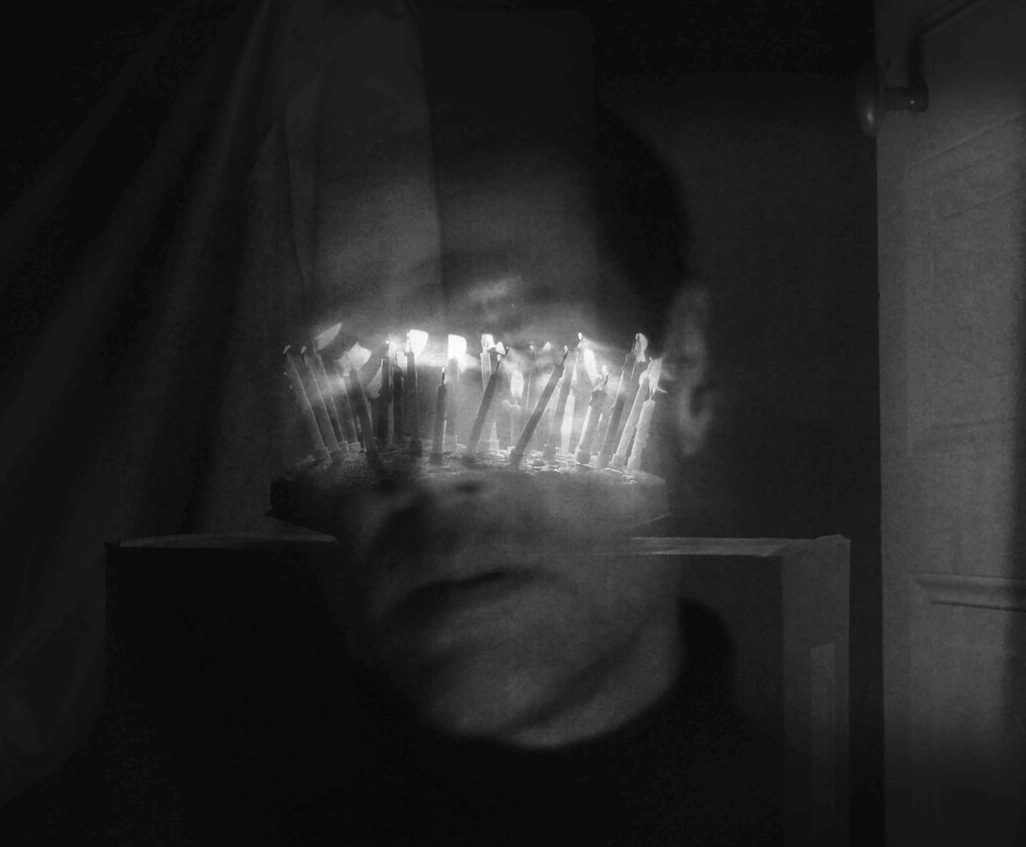
Some compositions are not completed when they are recorded. They are completed when they find the image they have been waiting for. I recorded Syurga Selvaggio and thought the work was done. What I did not understand then was that a recording is not always a conclusion. Sometimes it is a holding pattern, the piece circling quietly, waiting for the right place to land.
Listening to it now, I hear something I could not have heard when I made it. The piece has become part of my musical vocabulary in the years since, absorbed into the way I think about atmosphere and restraint, appearing without announcement in the background of other work. It is not the same piece it was. I am not the same composer. That seems right.
Perhaps it was never meant to belong to the first film. Perhaps it was only waiting for me to become the person who could hear where it wanted to go next.