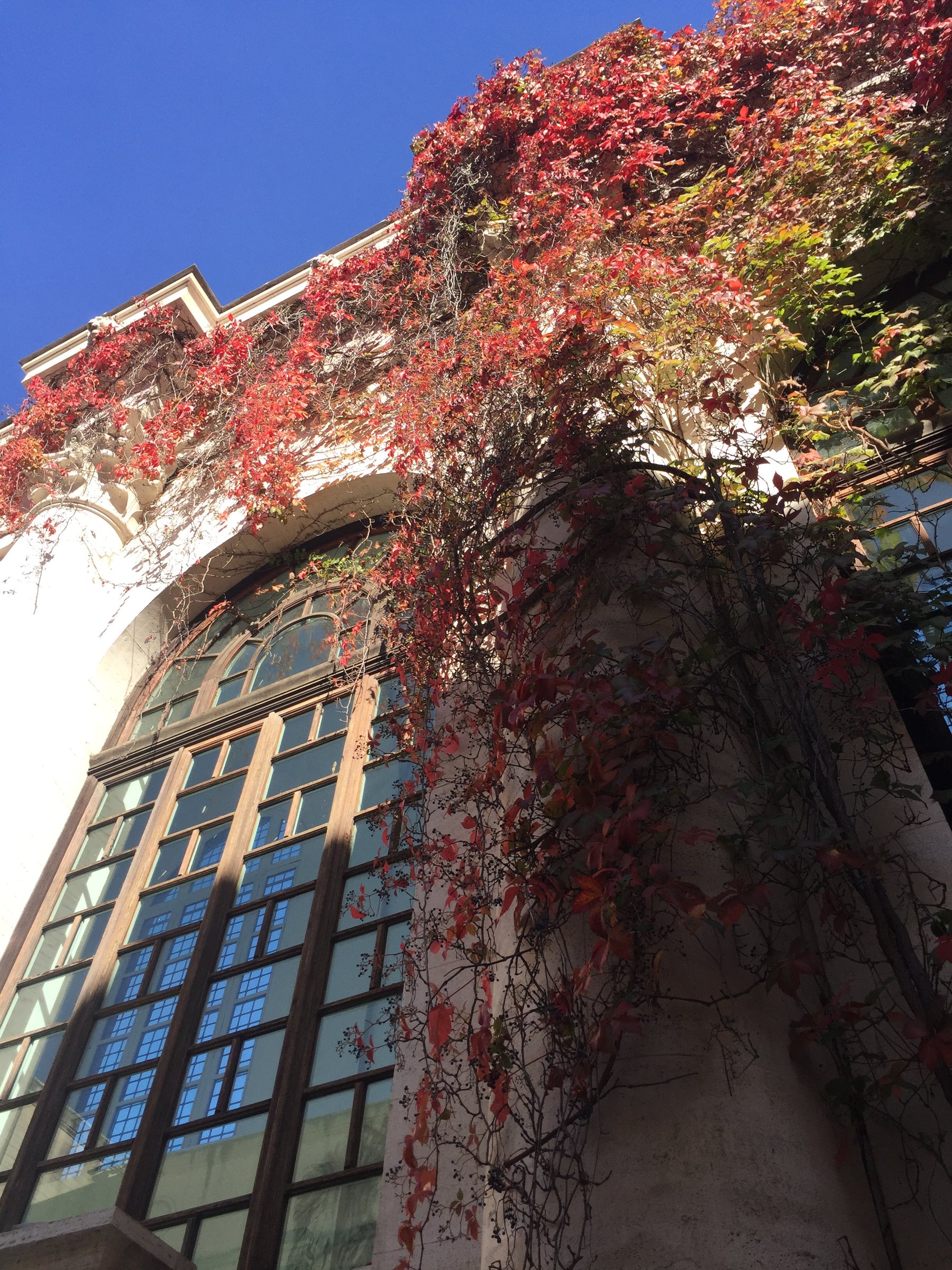
I had come to the Galleria Nazionale d'Arte Moderna not only to see the exhibition but to collect sound. There was a piece of music I was writing for a video shot inside the building, and I needed the building's own voice to be part of it. So I arrived one November morning with a Zoom recorder, a pair of headphones, and the particular quality of attention that comes with knowing you are going to listen rather than look. It was a different kind of listening from what I had learned with the sape , not learning to hear an instrument, but learning to hear a room.
The recordings became the structure of a film made inside the building. I was credited for the music, but the mix , that invisible architecture of sound that holds the piece together , was shaped during filming, and was not credited separately. Both the piano and the sonic atmosphere grew directly from what I had gathered with the recorder in my hands, walking through those rooms.
The piece began with listening rather than composing. The recording started before I touched the piano. It began with walking through the museum carrying a recorder, listening to footsteps, distant voices, air moving through corridors, and the strange acoustics of rooms built to hold objects from another time. The composition grew out of those sounds rather than being placed on top of them.
The opening of the piece carries a child's voice saying "time is out of joint." I did not plan it. I simply heard it while recording. Later I realized that the phrase described exactly what I was trying to capture: the feeling that certain rooms hold multiple times at once. In a museum, history, architecture, memory, and the present moment overlap. A room built one century holds conversations from this one. A painting from four hundred years ago sits beside a visitor looking at it right now. The objects themselves are displaced from their time of origin, and the rooms they occupy hold that displacement as an acoustic fact.
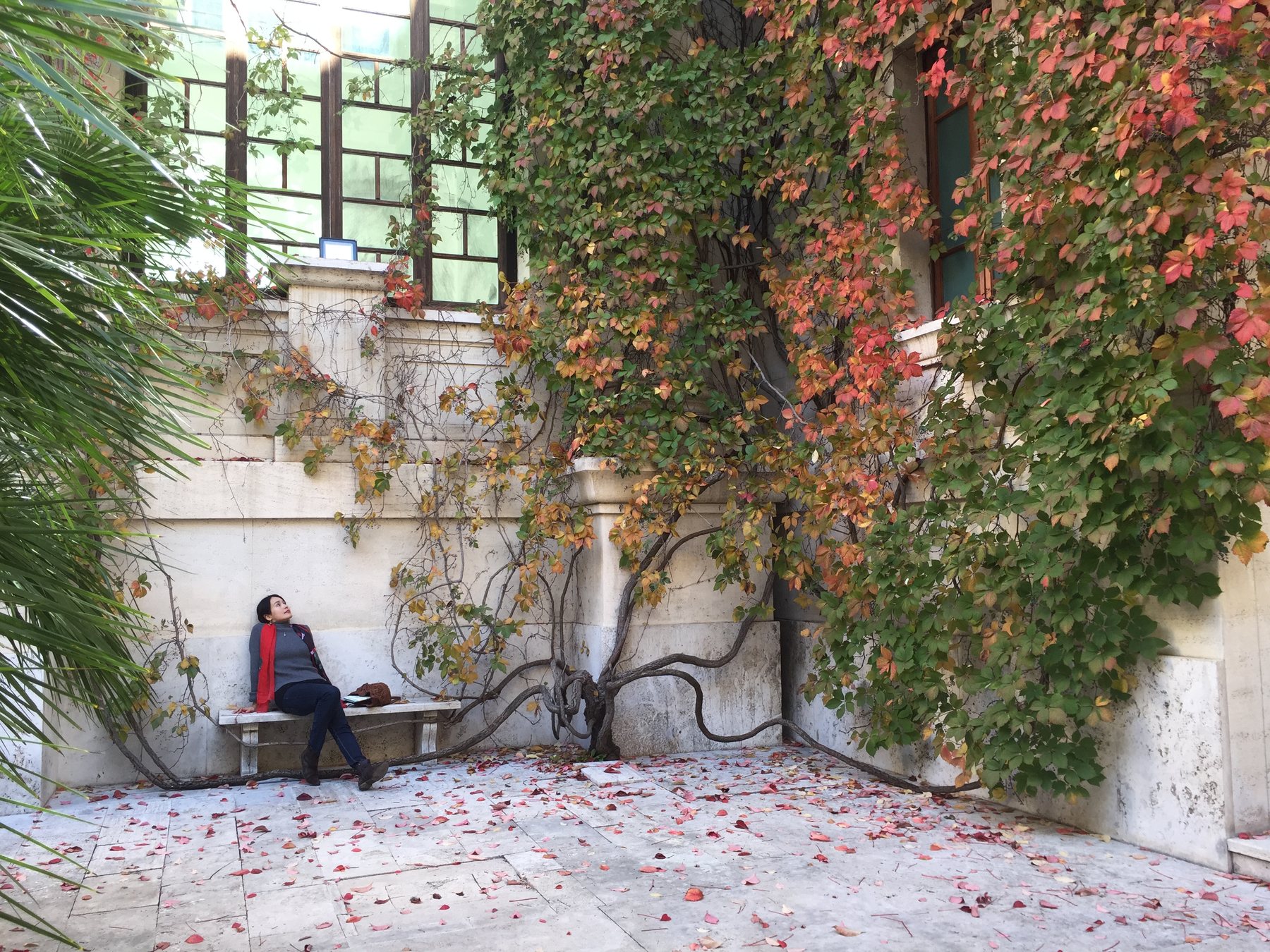
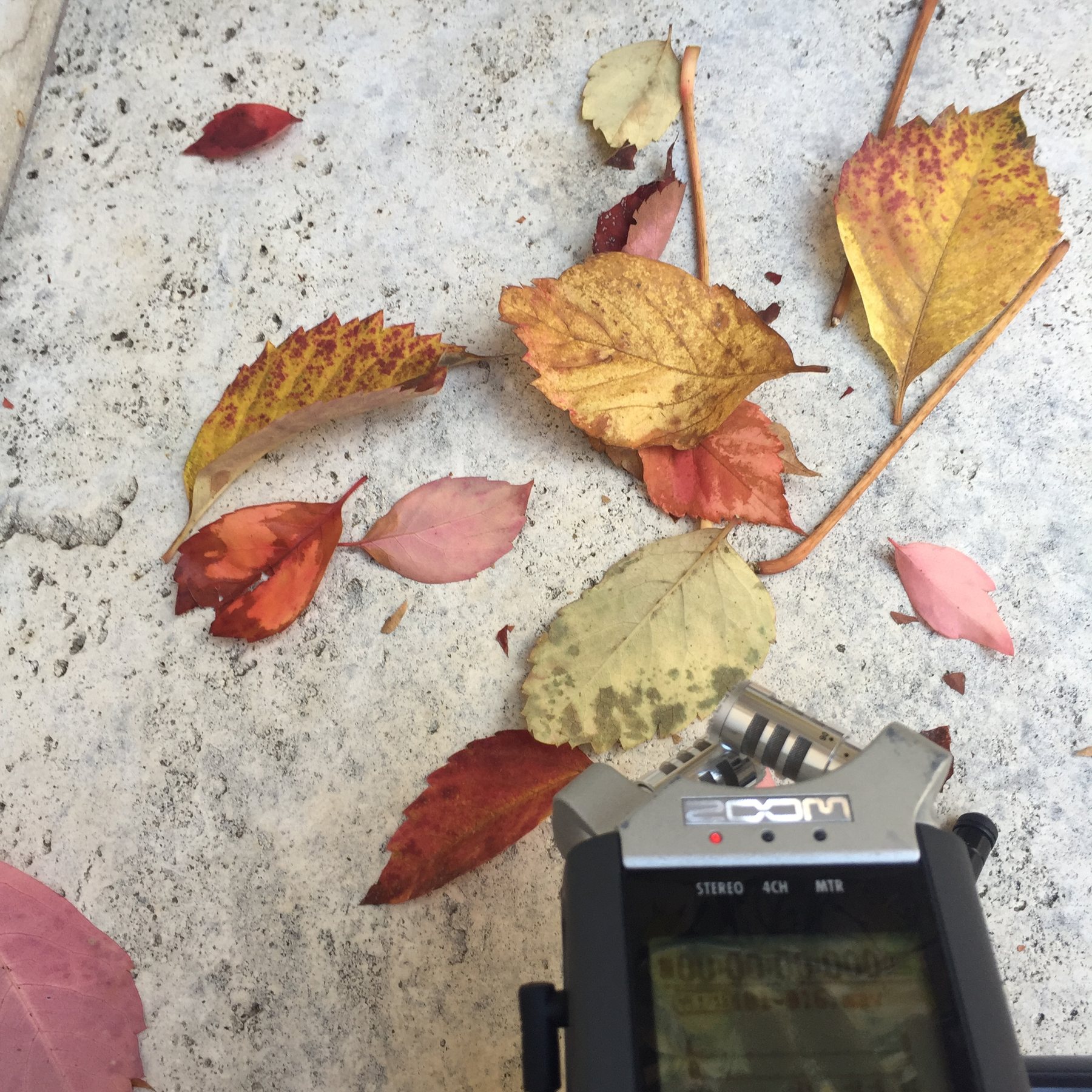
I placed the recorder on the stone bench and let it run while I sat beside it. The leaves were still coming down, one or two at a time, each landing with a sound so small it should have been inaudible and was not. The courtyard collected everything: footsteps from the colonnade, a conversation in German near the entrance, the low continuous sound of the city beyond the gate. Wind moved through the leaves on the walls and produced something that was not quite music and not quite weather.
I had not expected the courtyard to be the most interesting room. But it was a room in the acoustic sense, defined by its walls and the way those walls returned sound. Open to the sky, it was still a contained space, and it behaved like one.
Inside, I put the headphones on and began to move through the galleries. The marble floors announced every footstep with a clarity that the feet themselves never produce in ordinary life. You could hear the difference between a visitor walking purposefully and one standing still, between a group and a person alone. In the large rooms the sound opened out and dispersed before it could return. In the corridors it arrived back quickly, compressed and directional.
I noticed that I had slowed down. This is what listening does to movement when you let it. You stop navigating and start attending.
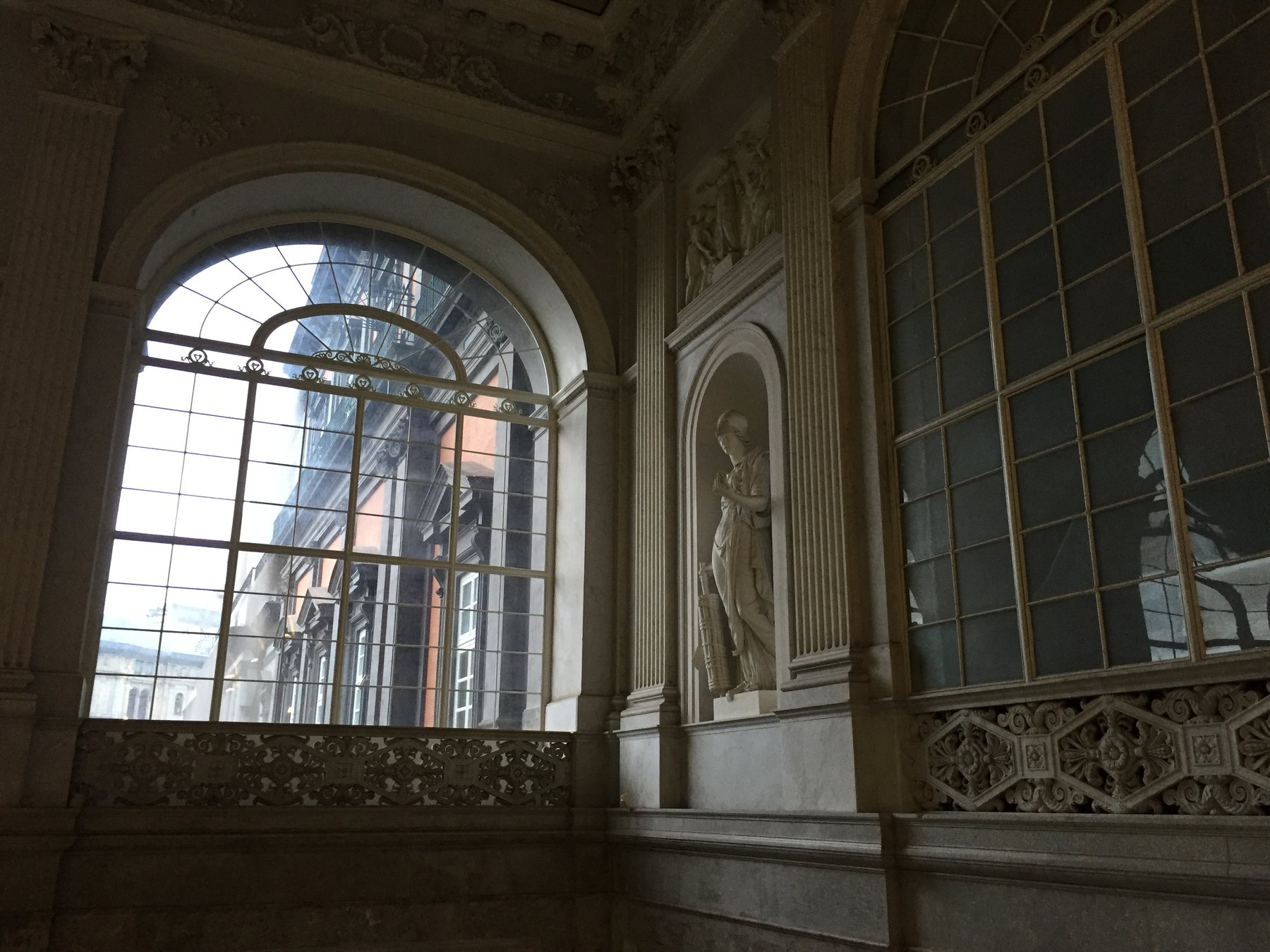
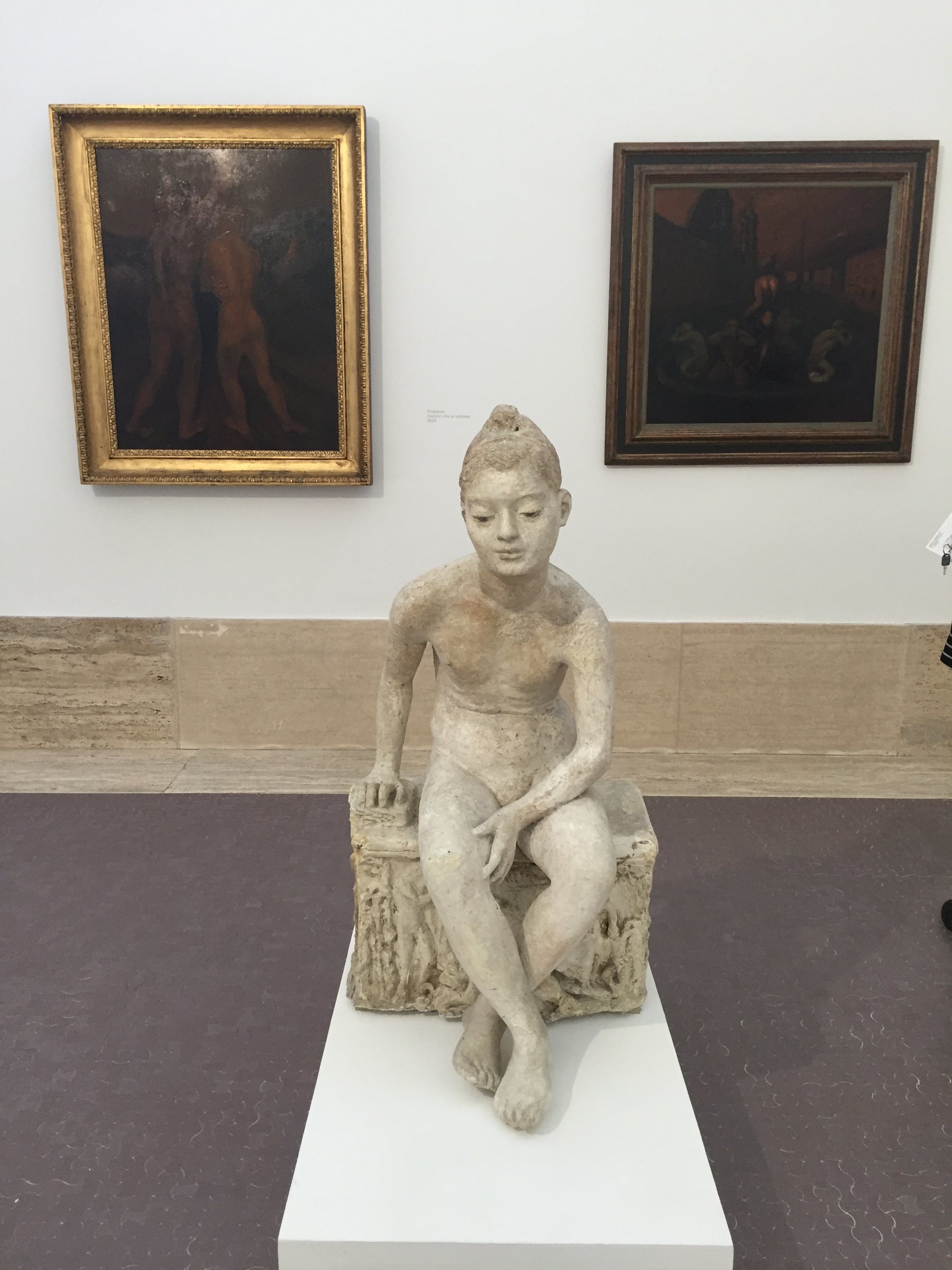
The stairwell was the most remarkable acoustic space in the building. Conversations from two floors down arrived with strange clarity, stripped of context but not of presence. I stood on the landing for a long time, not recording, just listening. The statue in the niche seemed appropriate to the experience: a figure in an attitude of calm attention, occupying that particular pocket of reverberation for considerably longer than I had.
What I was collecting, I gradually understood, was not documentary material. It was musical material. The rhythm of visitors moving through galleries is a composition. The way a large room fills with sound in the afternoon differs from the way it sounds in the morning when it is nearly empty. These are not backgrounds. They are performances, and the building is performing continuously whether or not anyone is listening.
A room is never silent. It is always doing something with the sound that enters it.
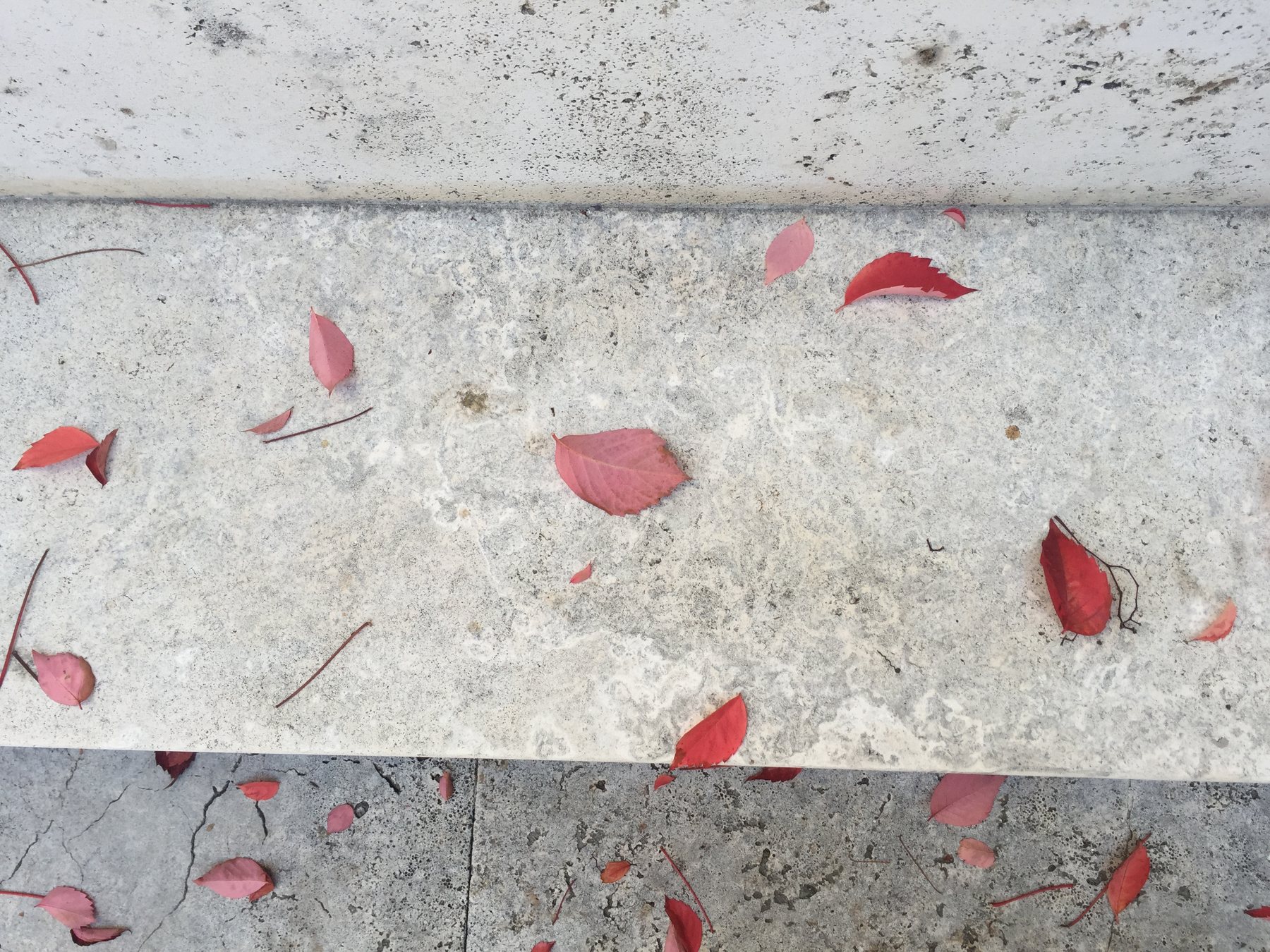
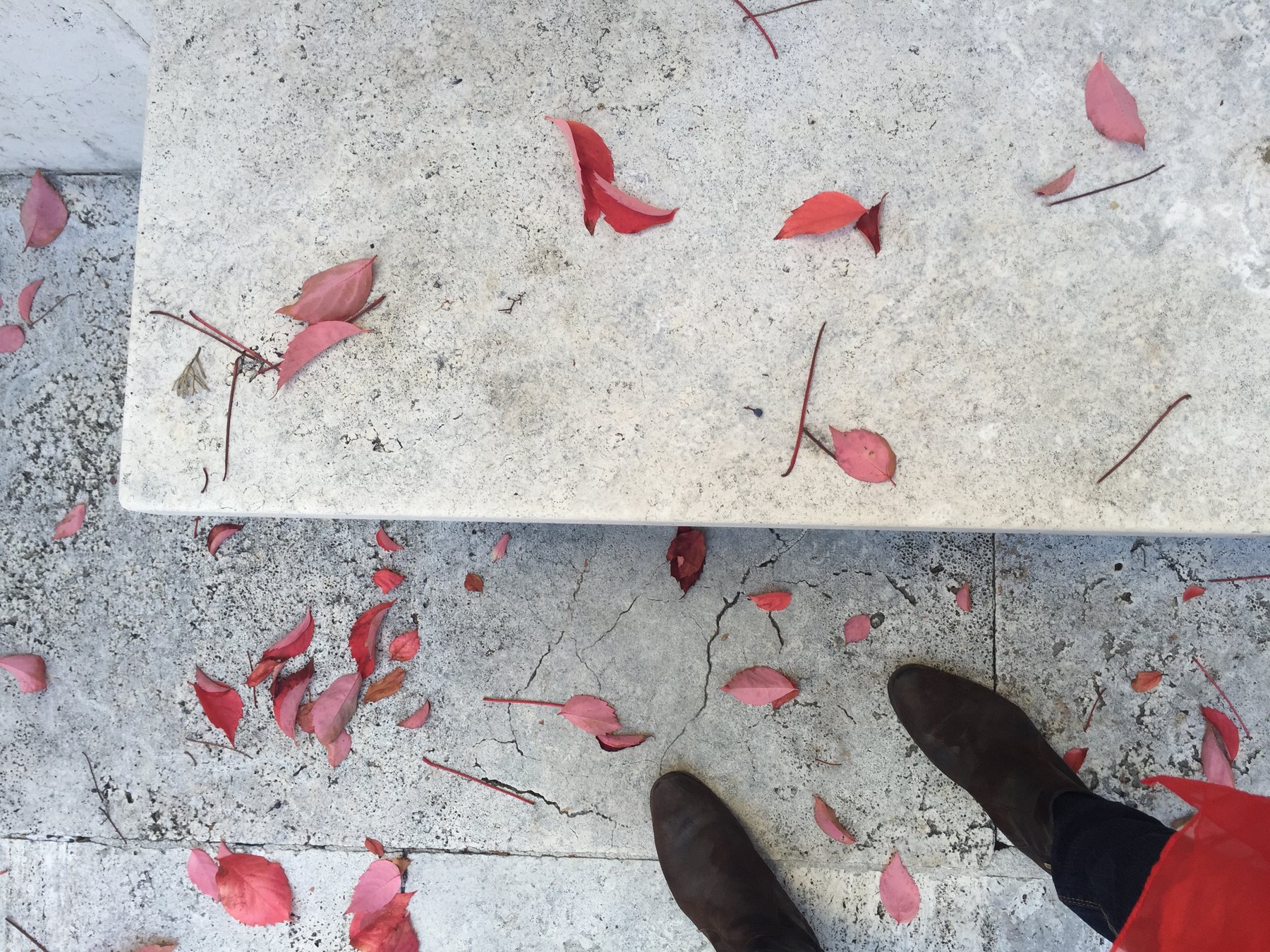
The recordings found their way into the piece, not as atmosphere behind music but as part of its structure. The courtyard leaves became rhythm. The ventilation hum became a drone. The footsteps on marble were not incidental; they were the piece's sense of time passing through a specific place on a specific day.
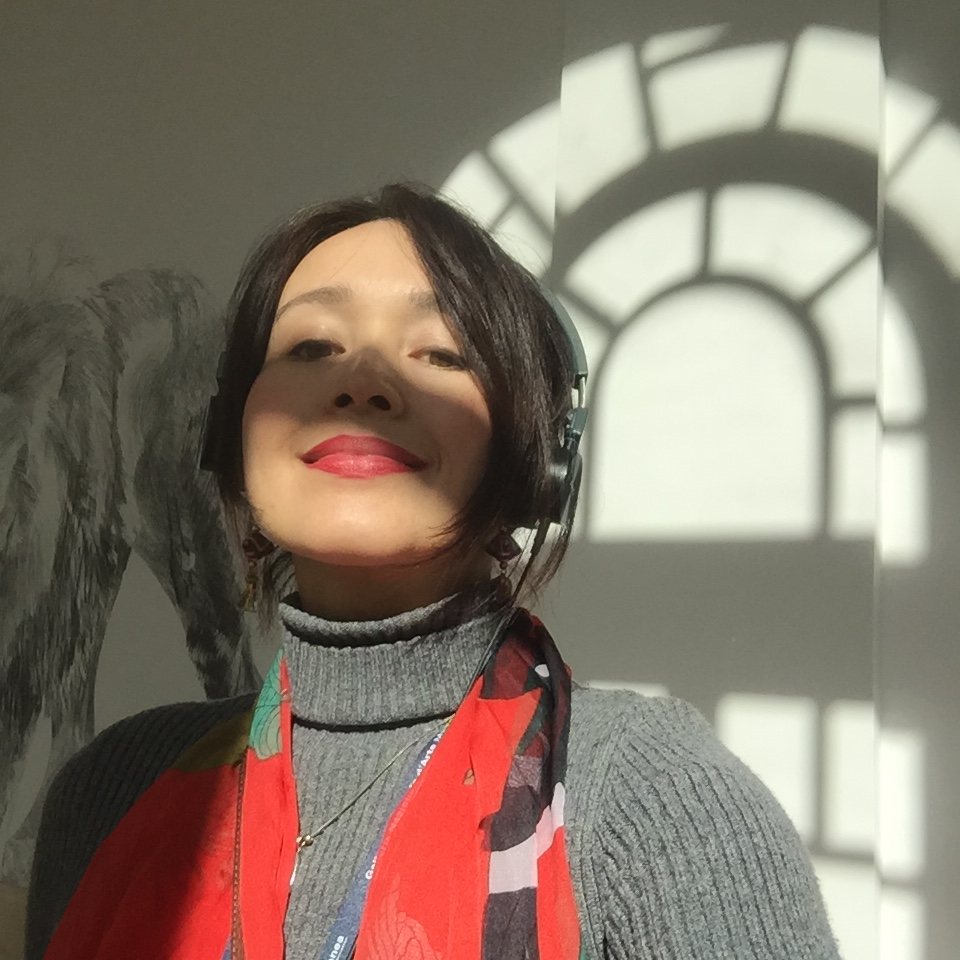
When I listen back now, I hear not only the museum but the shape of the rooms themselves: the length of a corridor, the height of a ceiling, the pause before a door opens. The recording became less a document of a place than a memory of how that place breathed.
Since then I have never entered a building without wondering what key it is in. Looking back, I realize this piece belonged to the same long education that began years earlier in New York. The studios taught me how to listen to recordings. The museum taught me how to listen to rooms.
Field Recording
Gallery of Modern Art, Rome
Recorded with a Zoom H4 while gathering material for a museum video score. Ambient sound, footsteps, reverberation, and courtyard wind. Audio to be added to the archive.
Part of the series: Listening Places (1 of 1)
Related Entries


